
MSc Graduation
Project
Developed in collaboration with design studio Superellipse, this graduation project explored how design can empower citizen science by creating a physical, modular and user-friendly measuring instrument combined with an online platform. Supporting both citizen scientists and researchers, it addresses key challenges in the field, such as participant motivation and limitations of low-cost measuring instruments. The collaboration offered insight into how commercialization strategies could help to do so. The project promotes ethical, transparent, and inclusive participation, democratizing citizen science and making it more accessible to a diverse user group. The outcome is a robust, scalable, and reusable product-service system that empowers citizens and supports local organizers, ultimately contributing to maximizing the scientific and societal impact of citizen science.
Public Participation Powered by Design: Developing a Measuring Instrument to Enhance Citizen Science Engagement
How does it work?
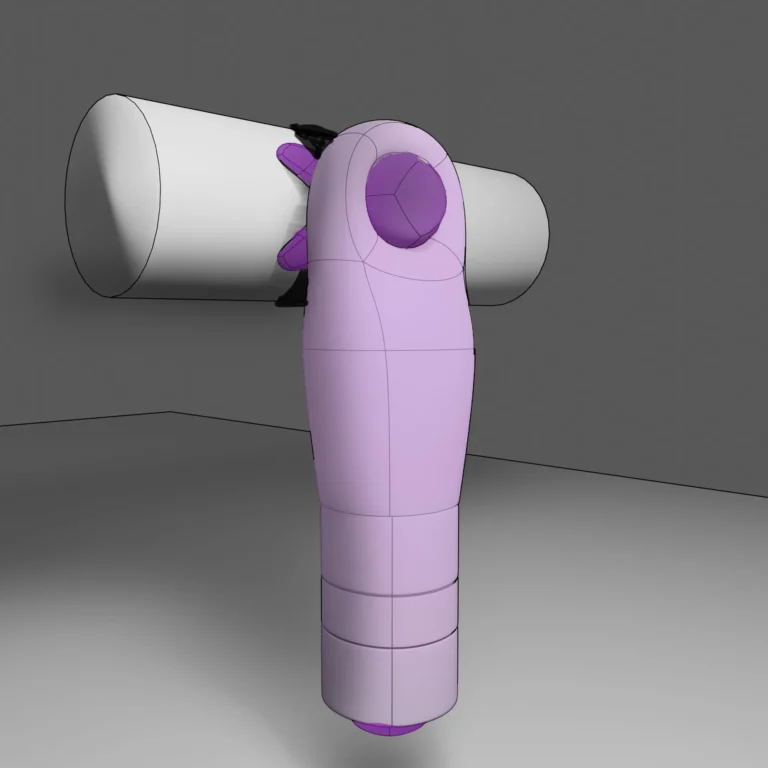
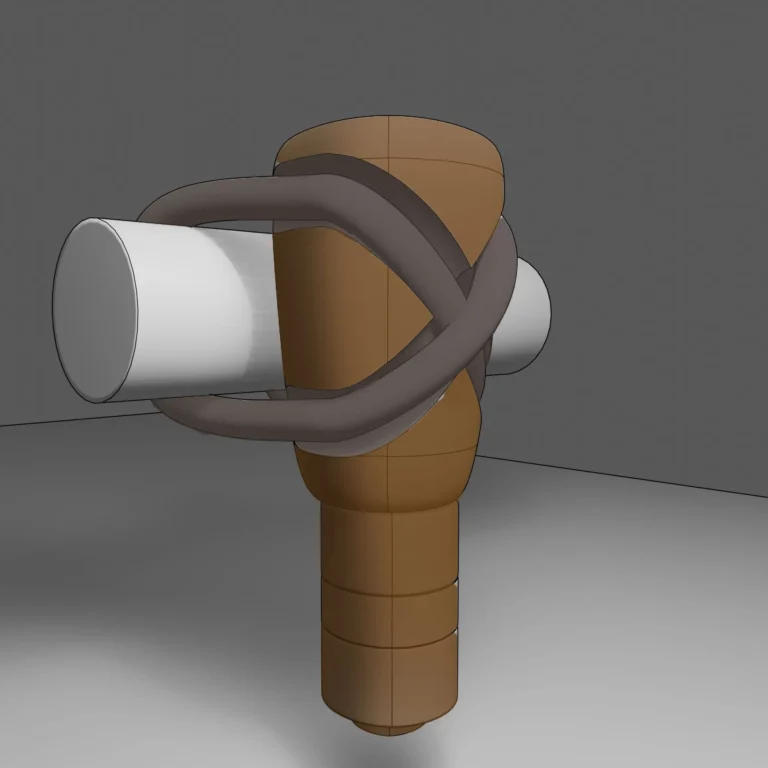
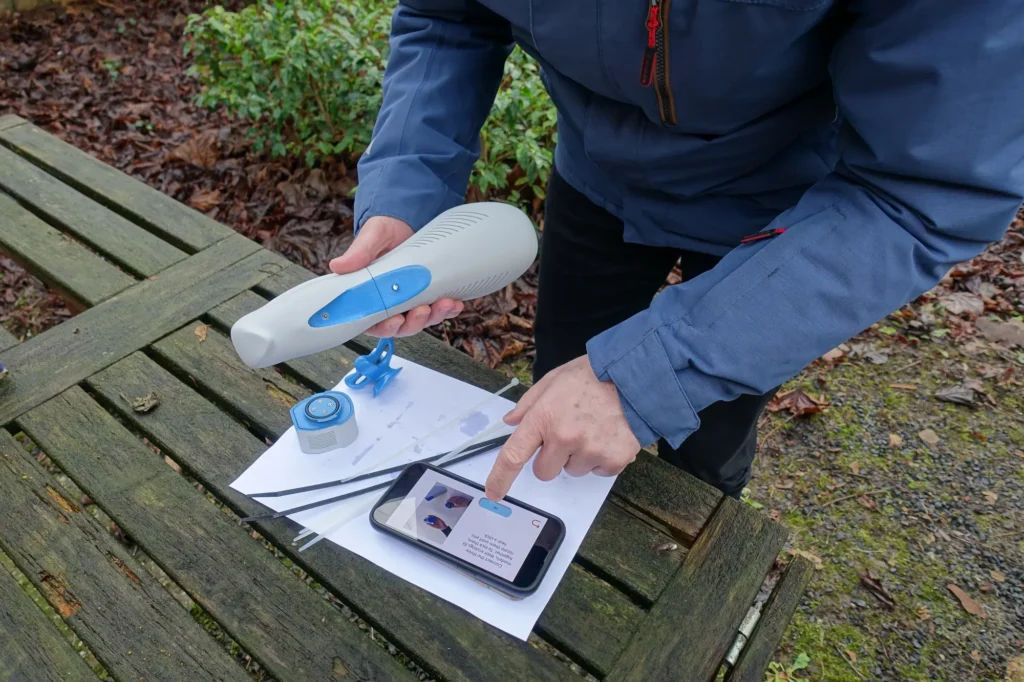
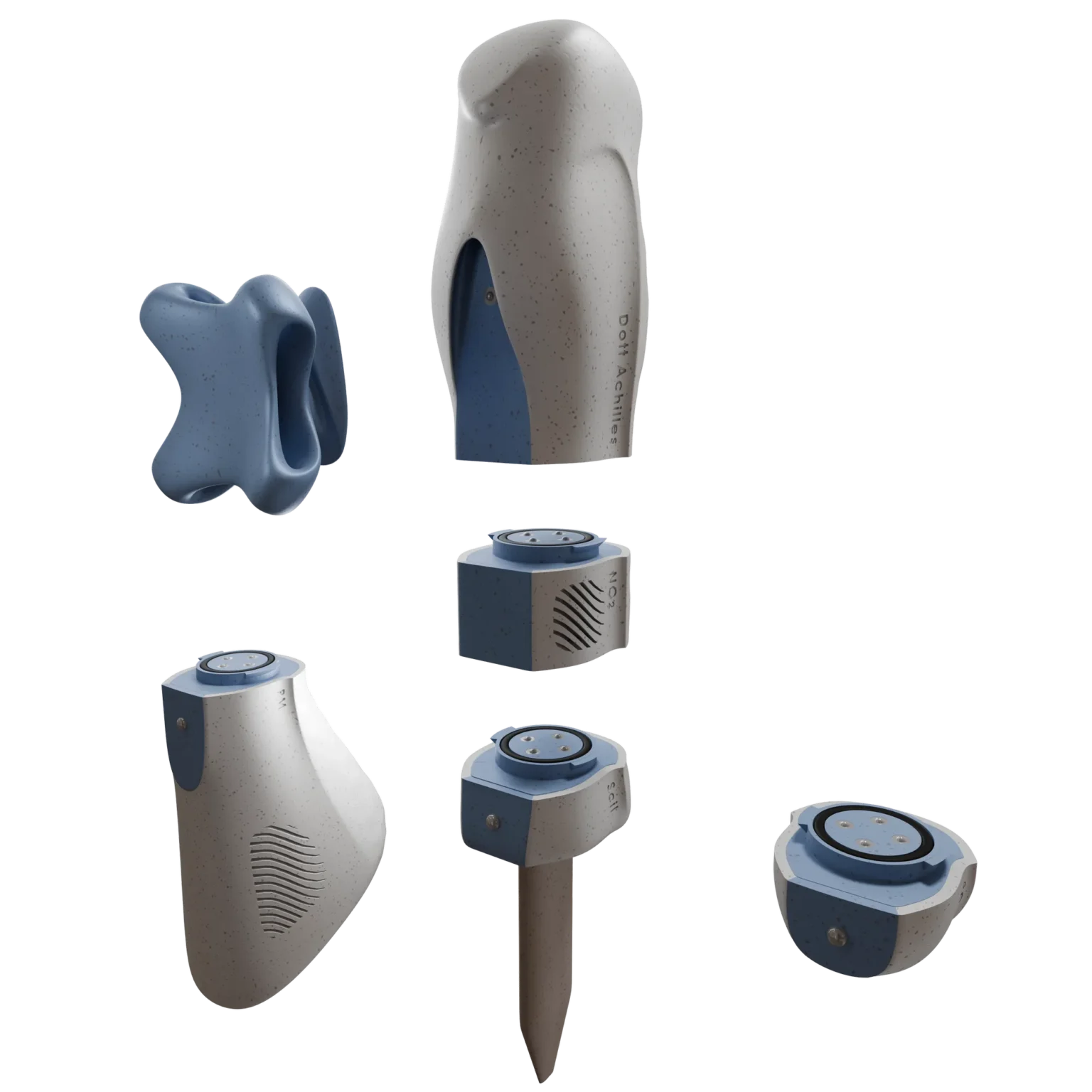
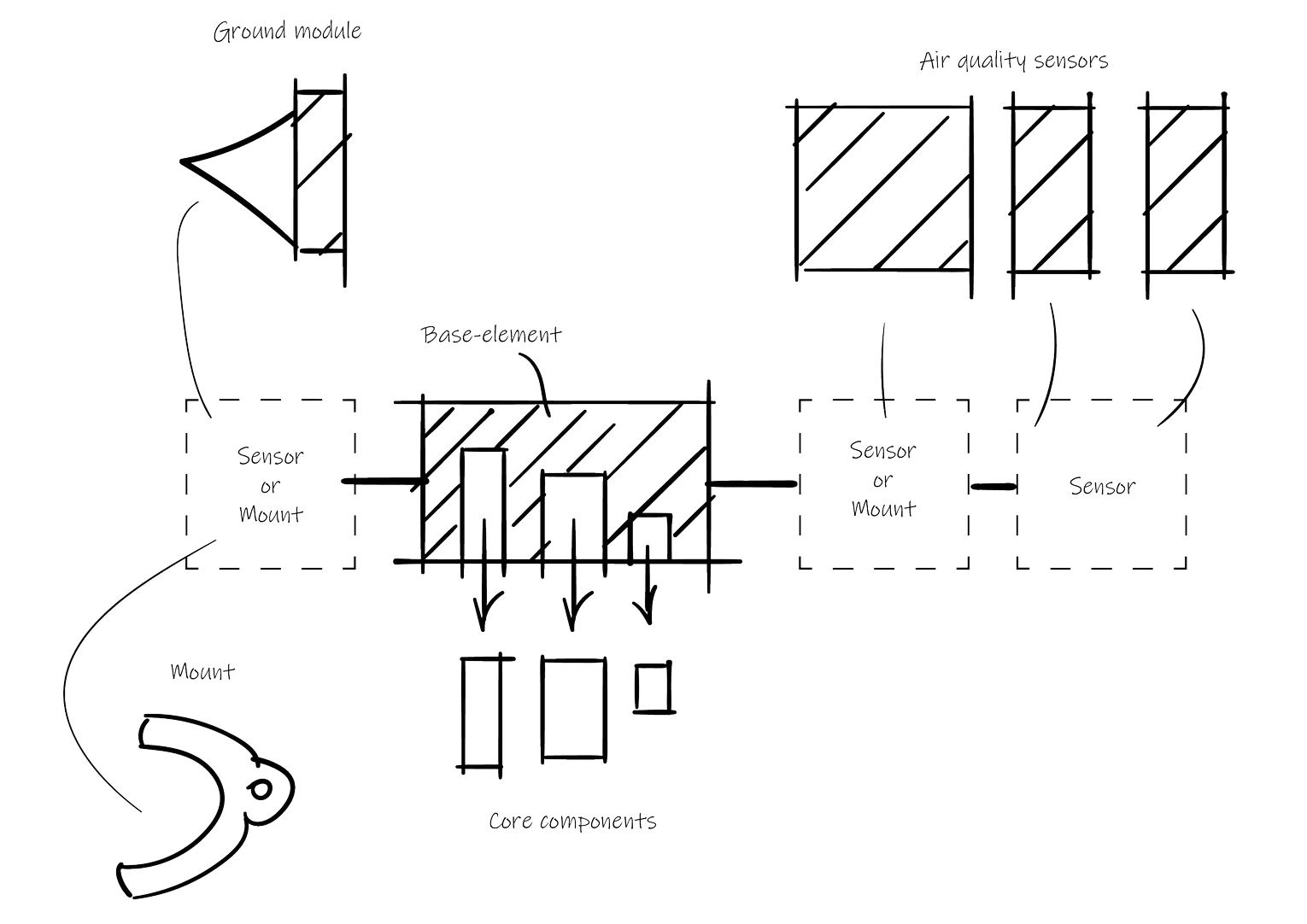
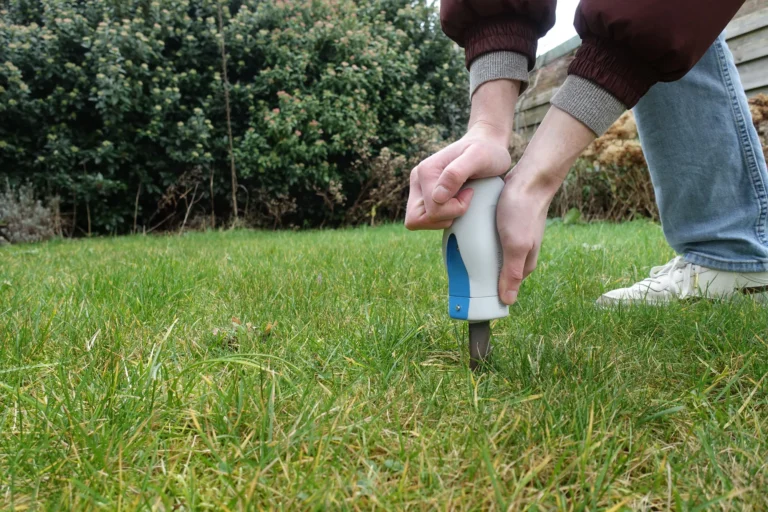
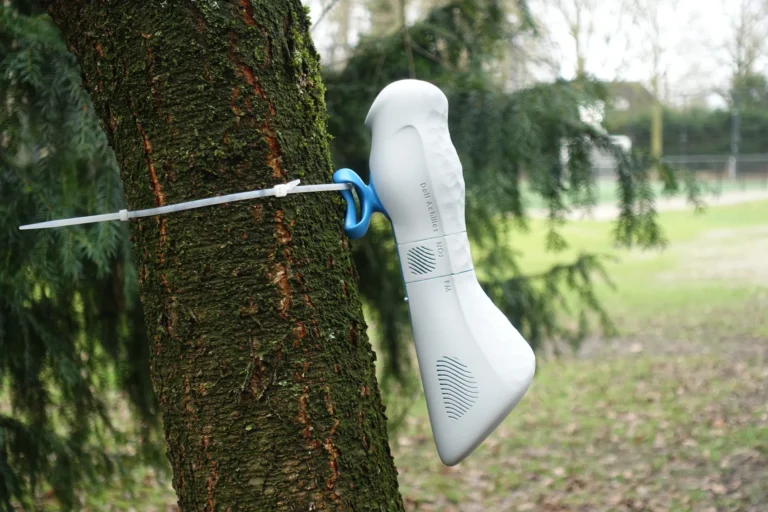
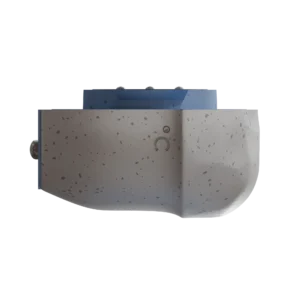
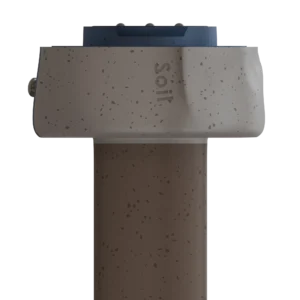
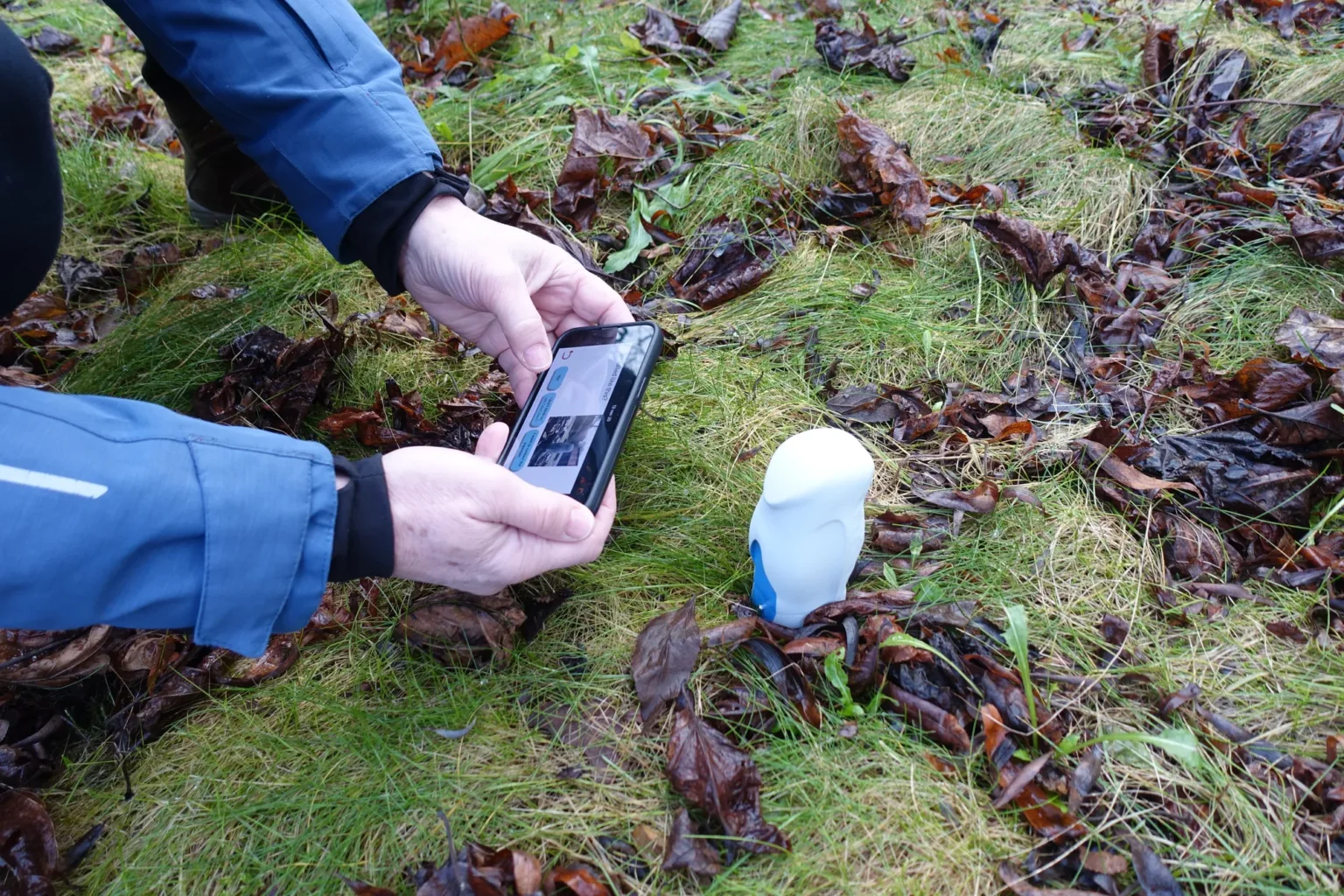
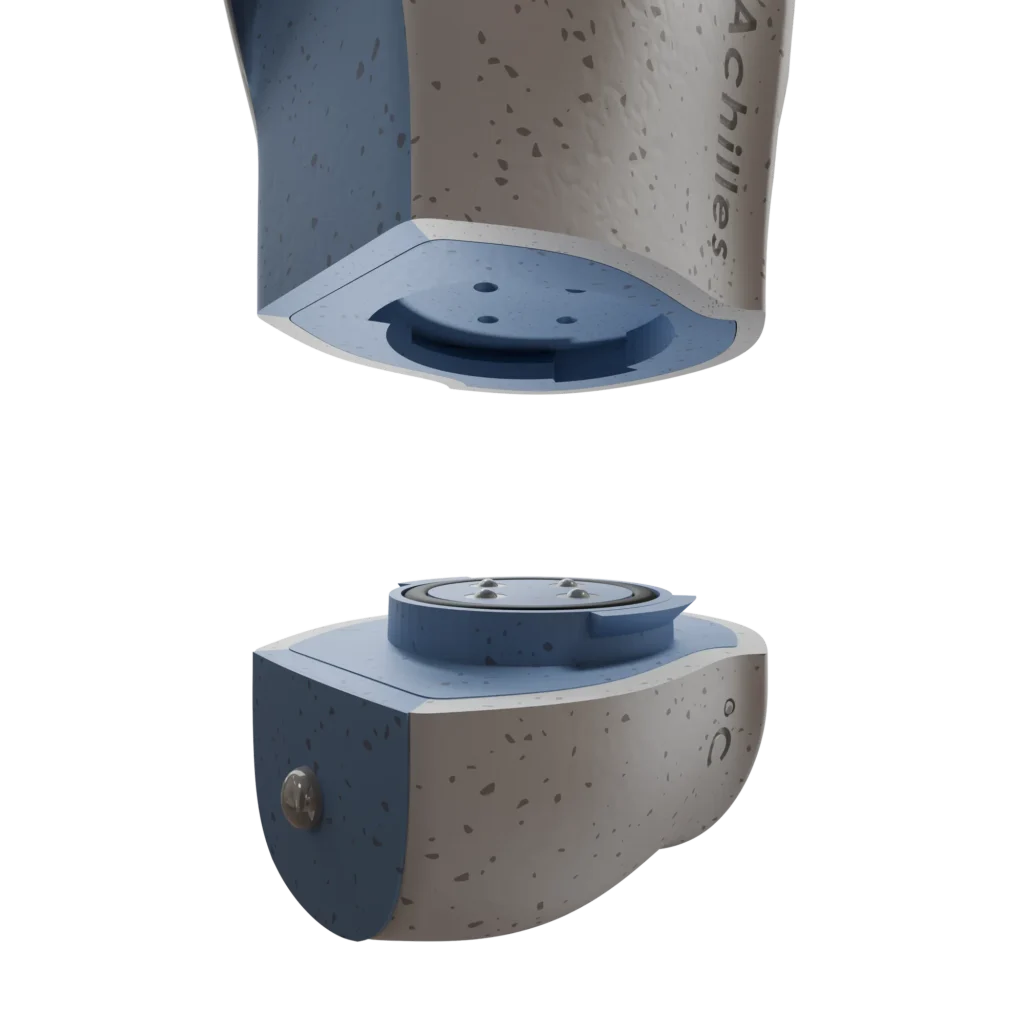
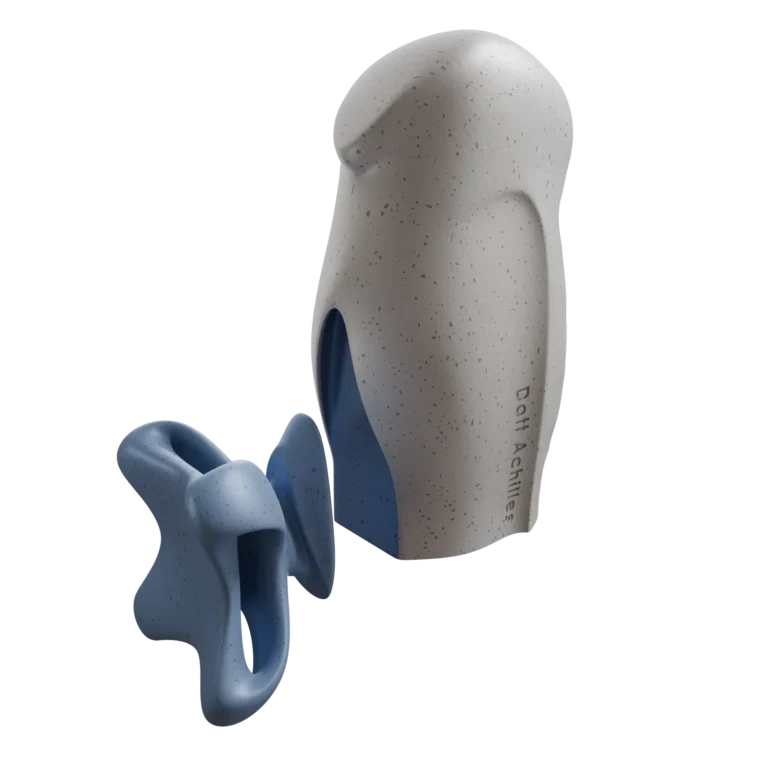
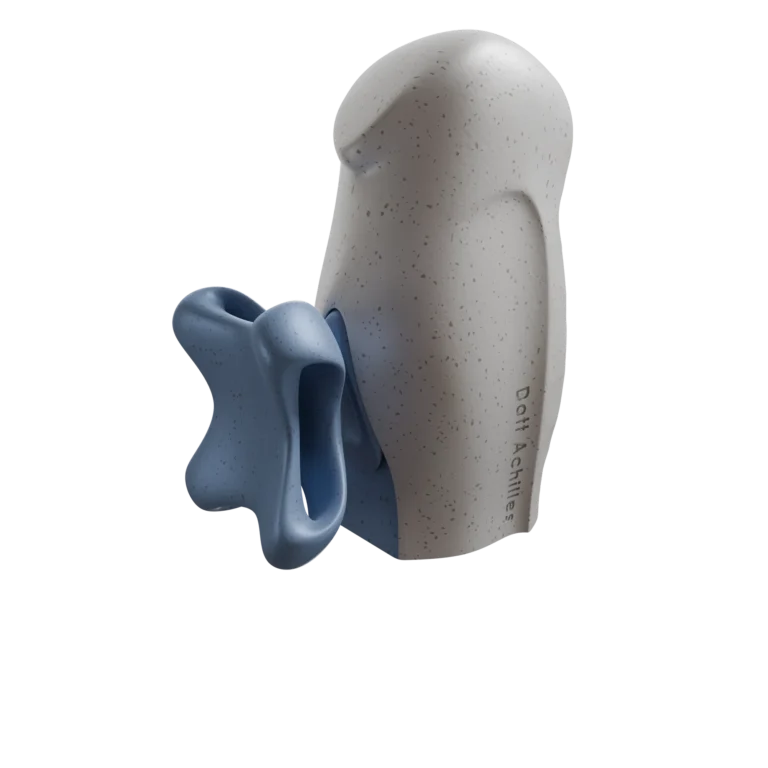
The heart of the system is a physical measuring instrument designed for flexible deployment in outdoor environments. It can easily be placed in the soil or mounted to railings and trees, making it suitable for use in gardens, balconies, parks, and even remote locations. The design features interchangeable sensor modules that can be configured for different research goals and project contexts, such as monitoring air quality or soil moisture.
Built for plug-and-play functionality, the instrument starts to collect data immediately upon installation, with no calibration or technical setup required. Physical design cues, such as clearly defined connection points and mounting guidance, support intuitive installation. Together with an interactive mobile and desktop tool that offers step-by-step visual guidance, users can position the device, troubleshoot, and understand how to interact with it. Even in offline scenarios, the device continues to function independently, storing data locally until it can be synced.
Collected data is transmitted to an integrated platform, where participants can explore their real-time insights and compare them with others’. The product also includes subtle visual elements to inform ambient users nearby, supporting transparency and building trust. Designed to be reused across multiple projects, its durable and repairable build ensures long-term value and reduced environmental impact.
System design
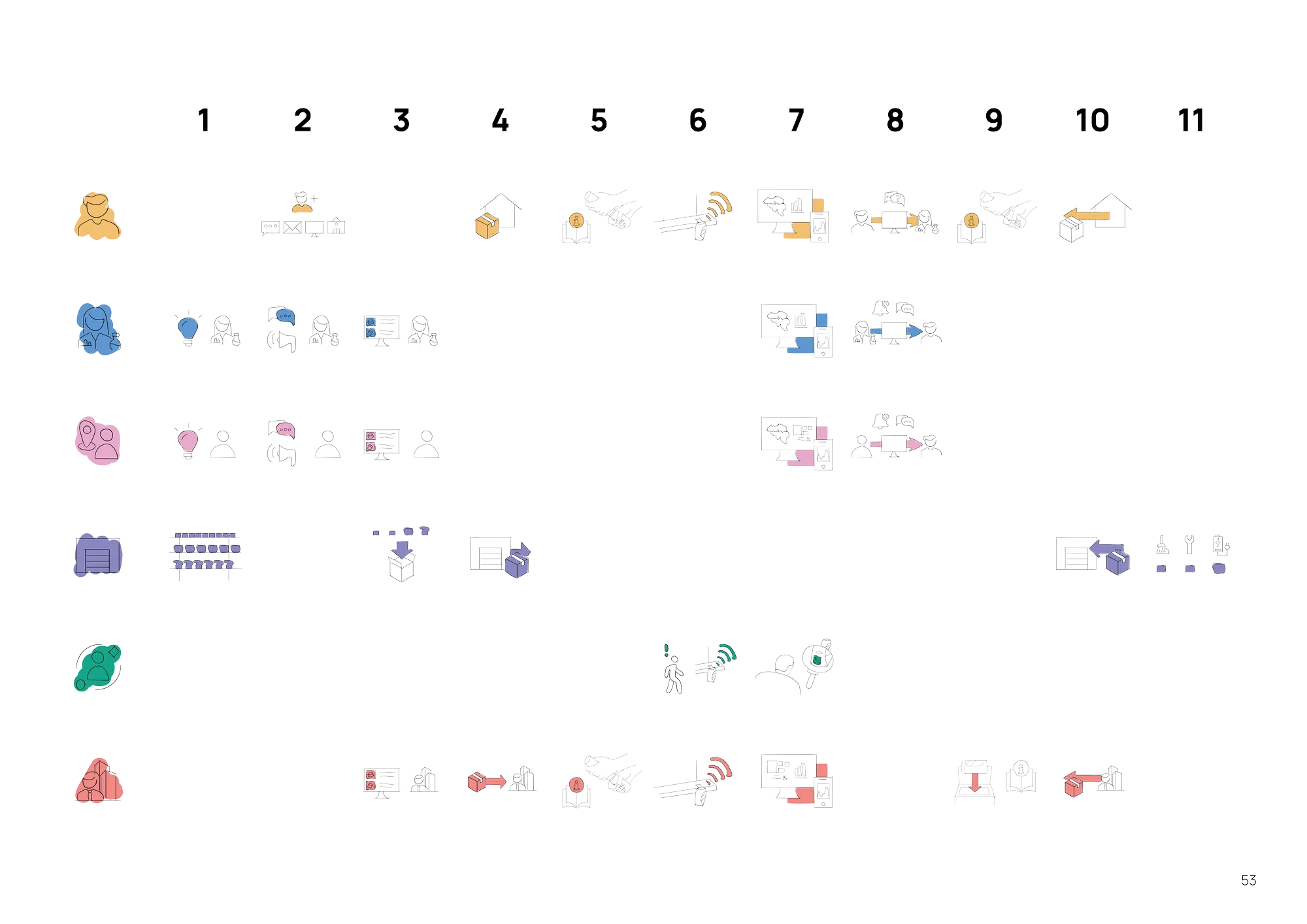
Instead of a single product, this project asked for a product-service system: a physical measuring instrument with a modular sensor architecture, plug-and-play installation guidance, an online dashboard, and a mobile app. All components are designed to work together to realize the product’s full potential, maximizing functionality, ease of use, and user engagement. Their integration offers a complete package, increasing the product’s commercial viability and enabling broader adoption.

Navigating complex perspectives and stakeholder needs
The societal nature of citizen science brings together a diverse and complex network of stakeholders, including researchers, local organizers, citizen scientists, (local) governments, and even non-participating ambient users. To address this complexity, the project began with an in-depth analysis where existing literature and stakeholder interviews were combined to reveal overlapping motivations, barriers and opportunities. These insights shaped a foundation to guide the system’s design, ensuring the representation of many perspectives.
Detailed product design and development
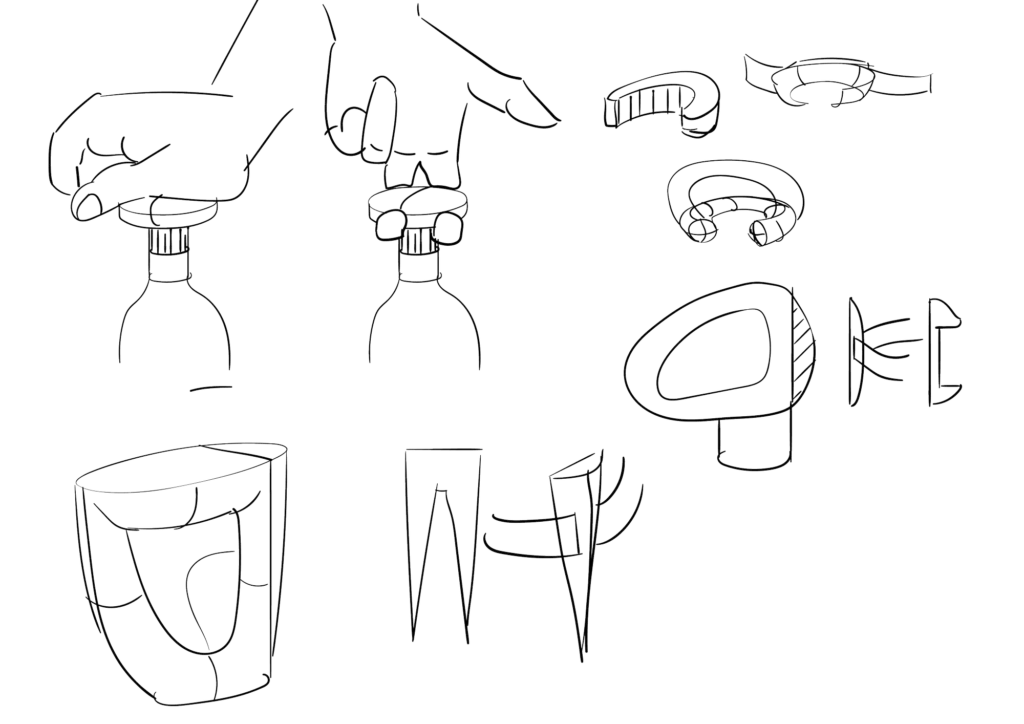
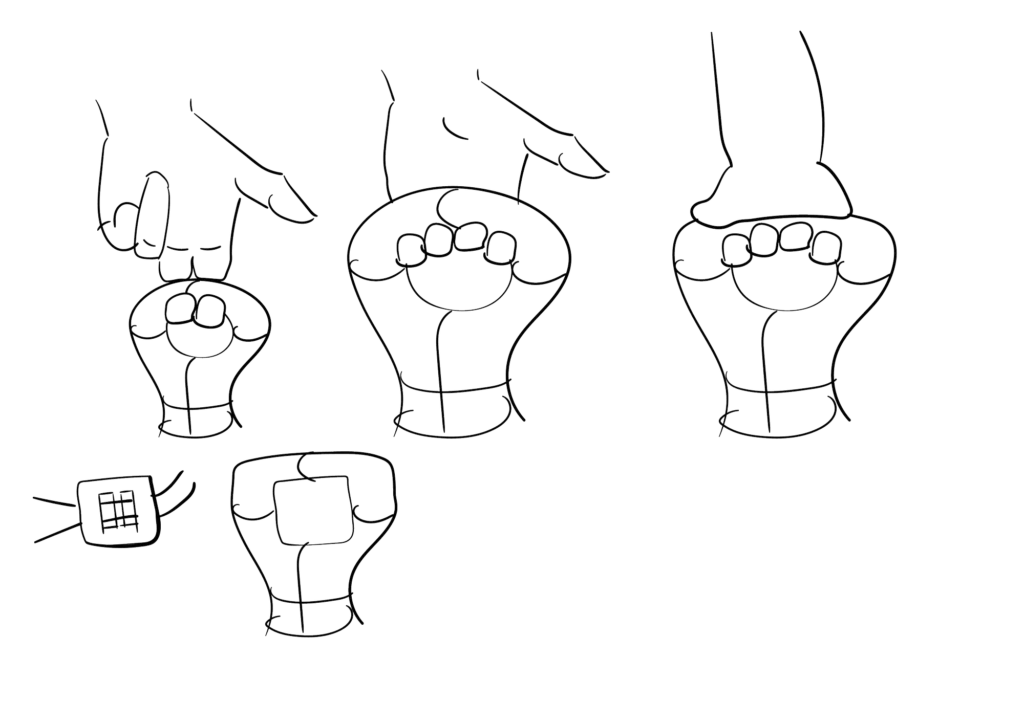
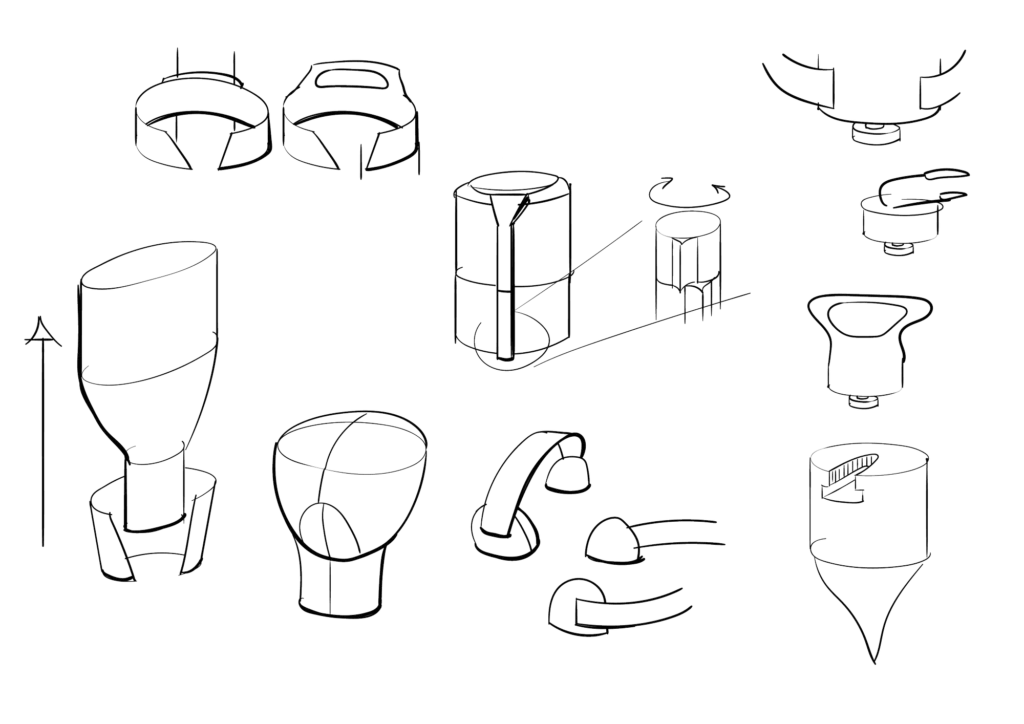
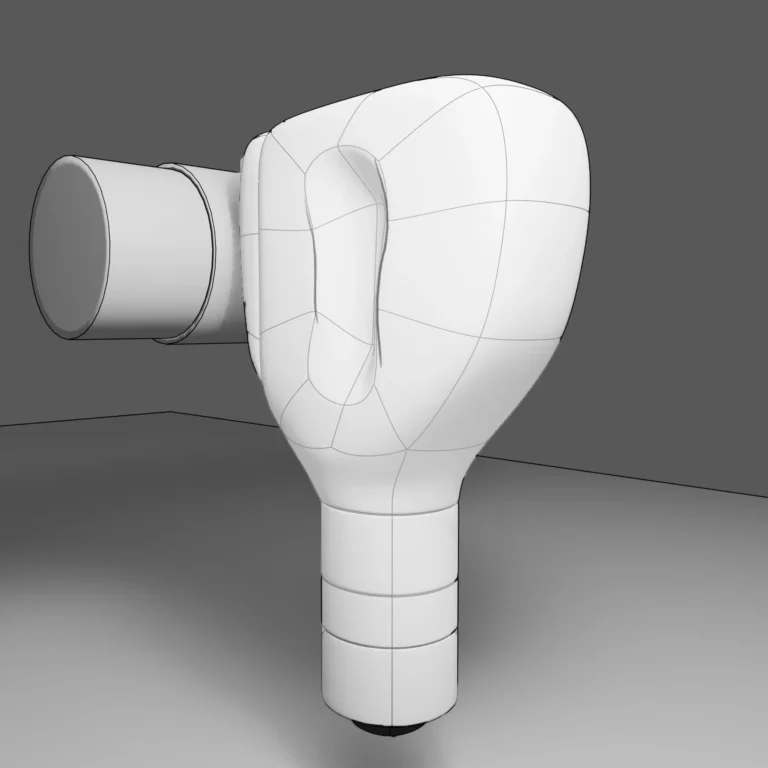
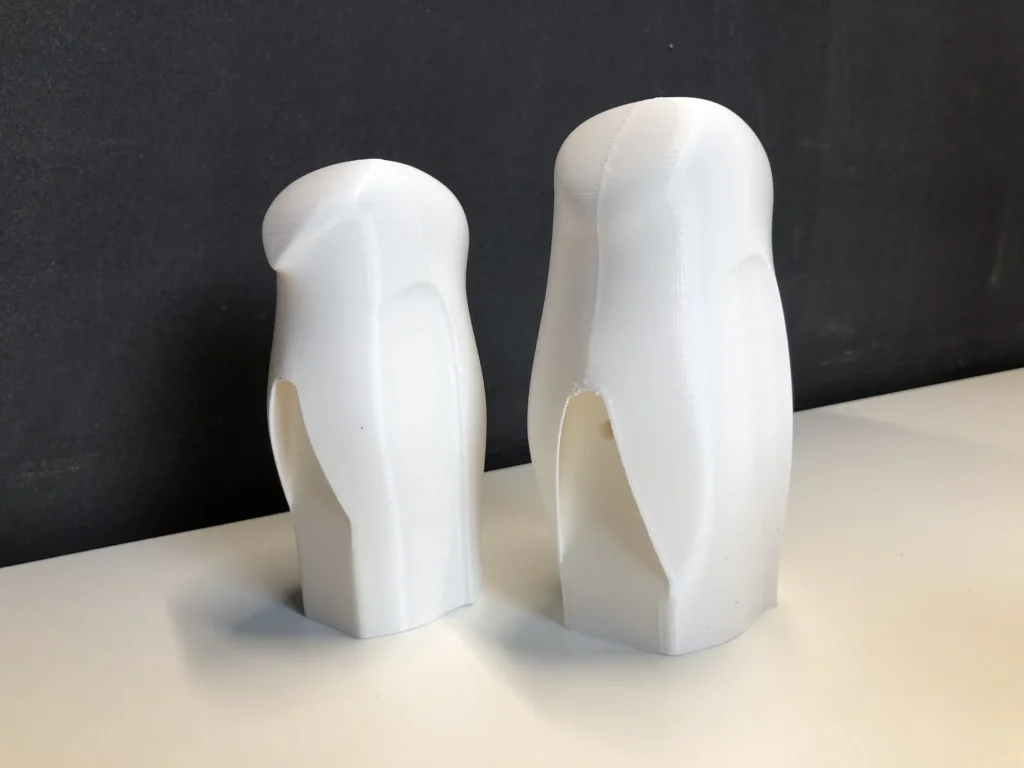
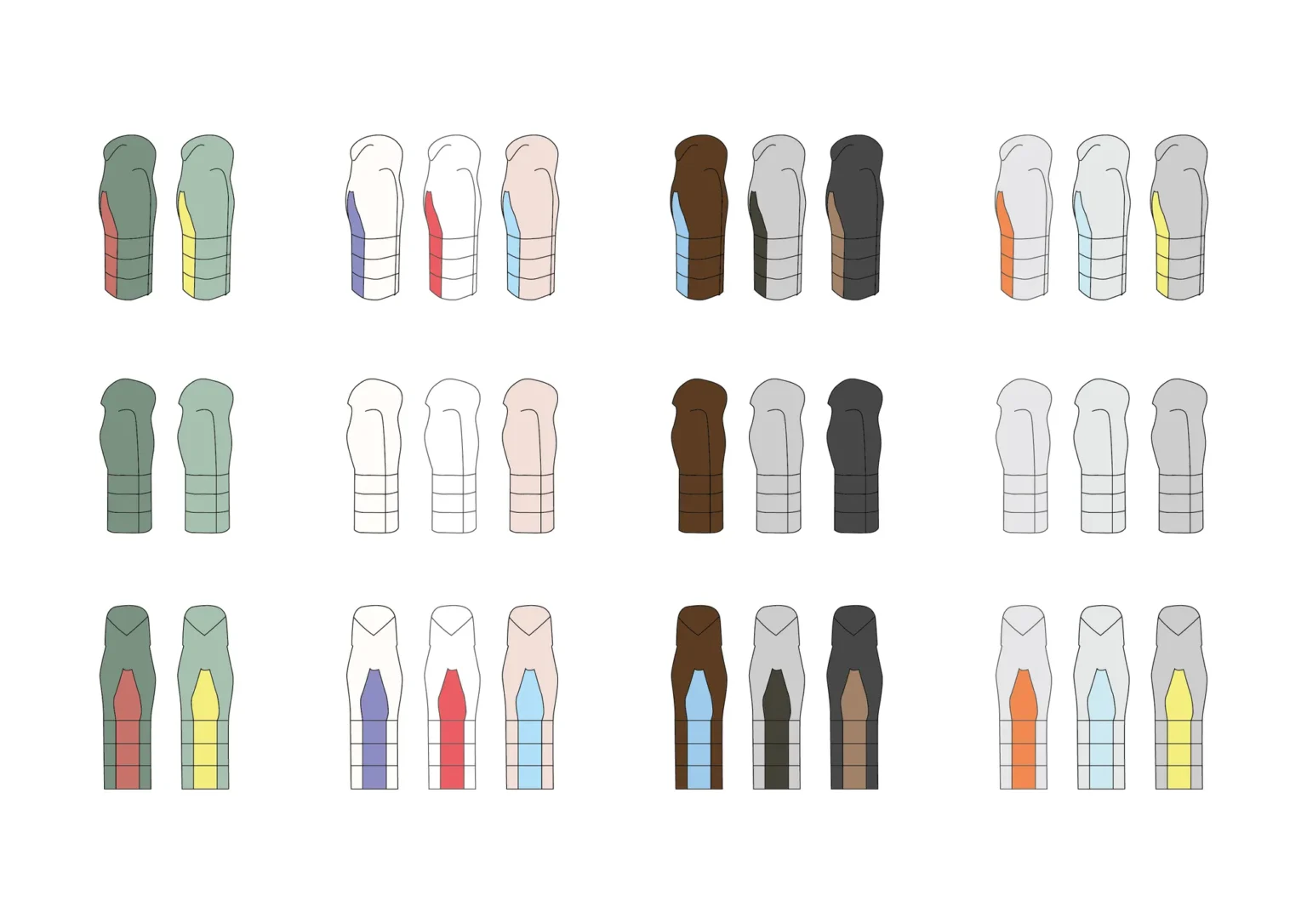
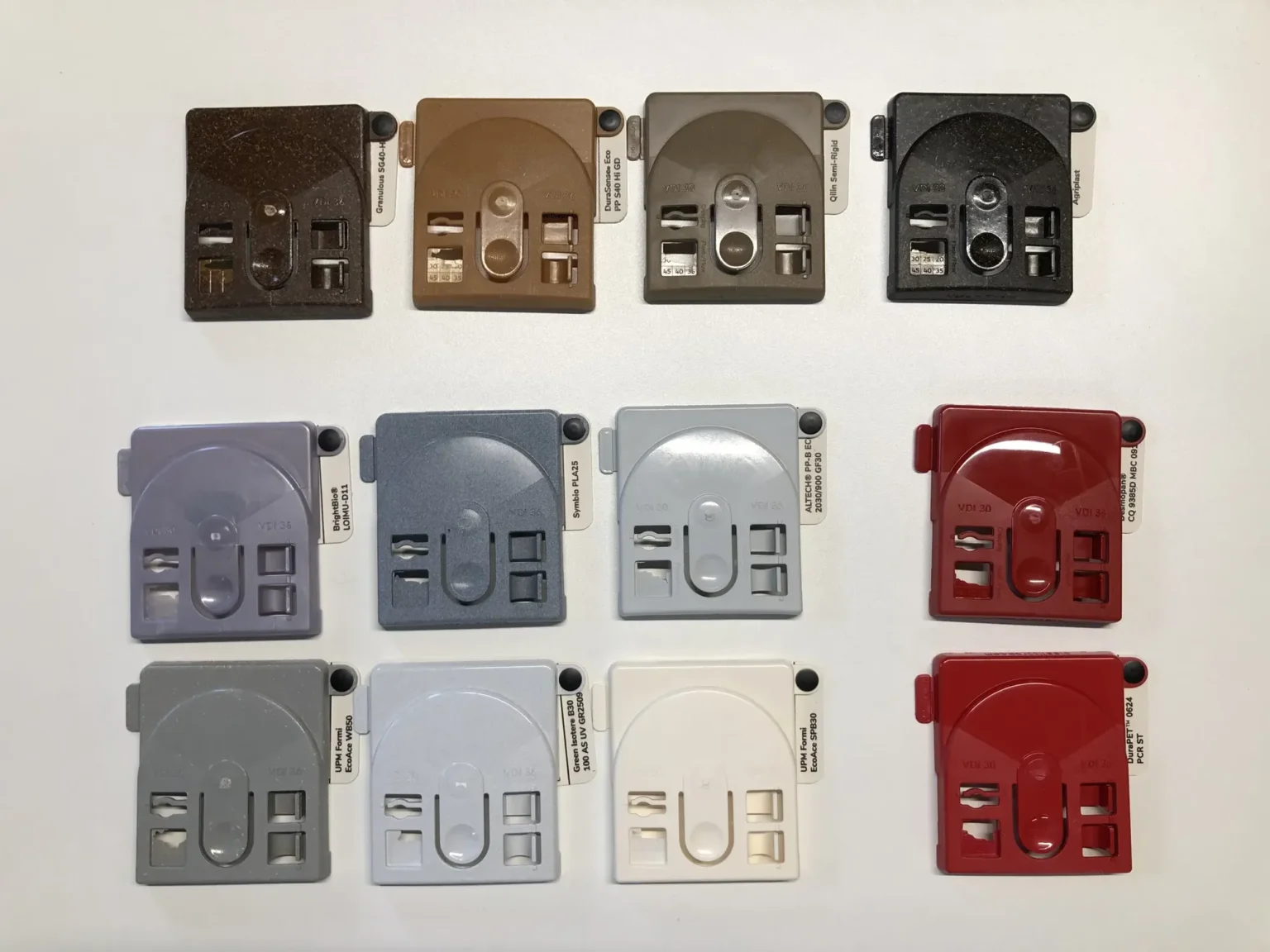
The product was iteratively developed, with attention to its physical, technical and aesthetic qualities. The instrument features modular sensor mechanisms and adaptable mounting options, carefully designed while considering robust materials, cognitive ergonomics, and intuitive interaction cues. Technical components were prototyped, aesthetics were visualized in Blender, and production techniques, electronics, and environmental impact were analysed and assessed. From plug-and-play usability to ambient communication for non-users, every detail was continuously iterated to ensure a solid, well-considered solution.