
FairQ
Project
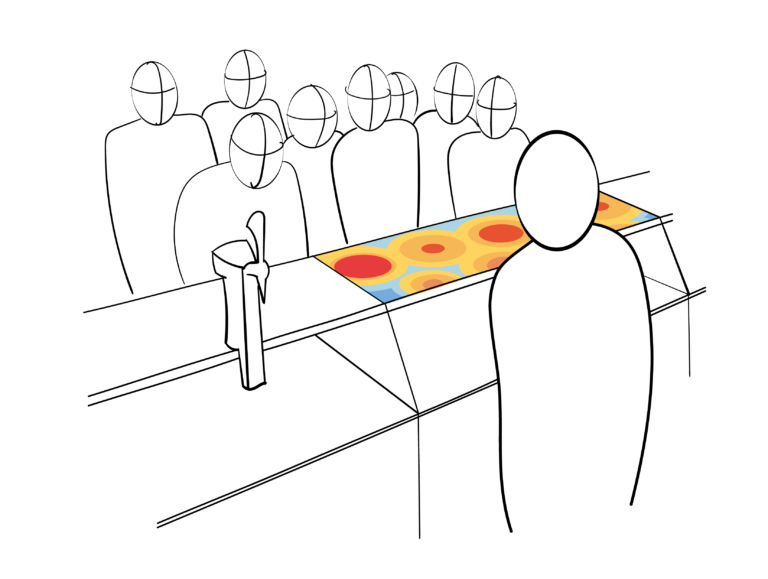
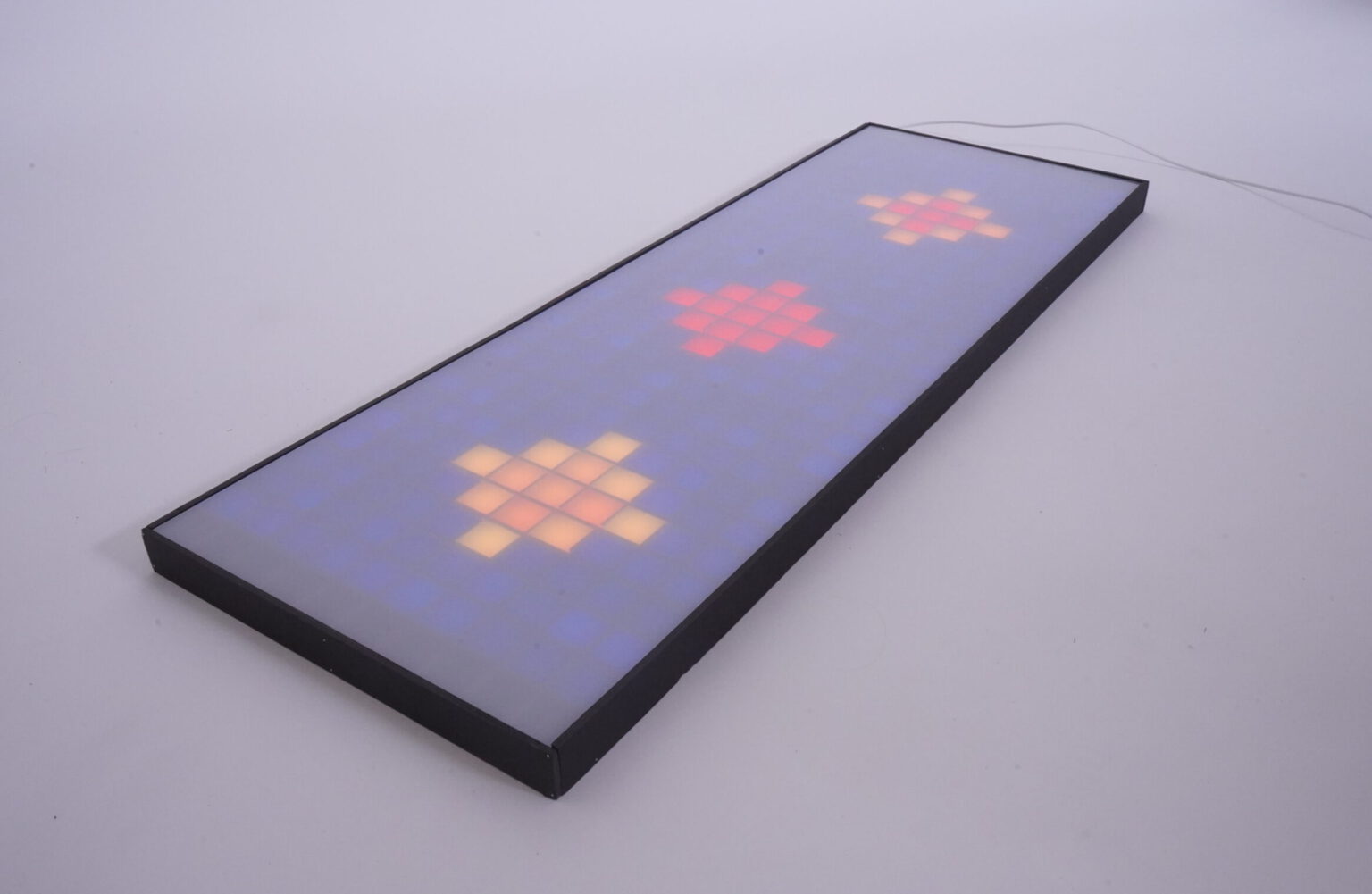
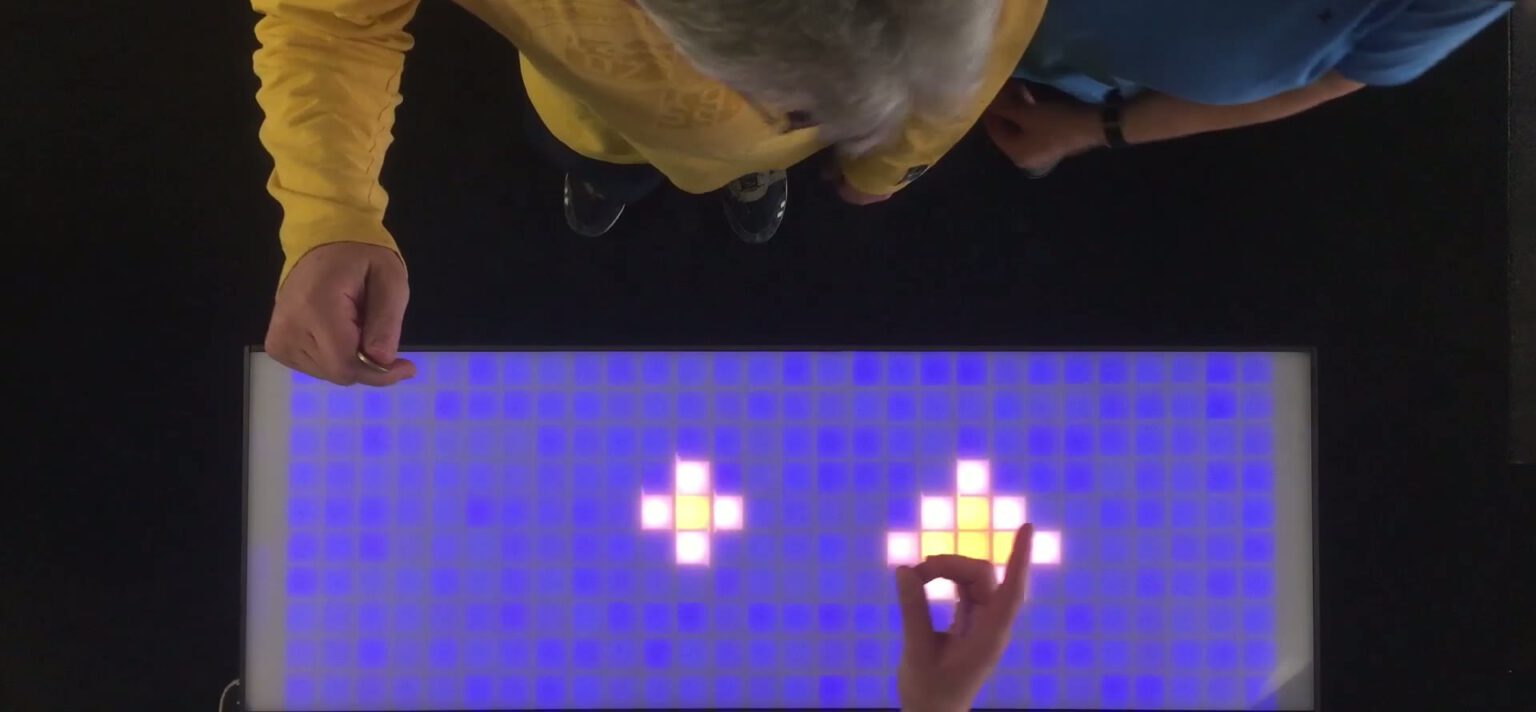
FairQ is a seamlessly integrated interactive bar counter, designed to improve both the customer ordering experience and the bartender’s working environment. Built on psychological principles of perceived fairness and waiting time, it visualizes the waiting queue through dynamic, entertaining elements that represent customers’ relative waiting times and become larger and warmer in colour the longer someone waits.
By creating shared awareness about the queue in an intuitive way, FairQ reduces customer frustration, discourages line-cutting, and helps bartenders to confidently identify who’s next in line. The result is a calmer, more respectful atmosphere where customers feel acknowledged and entertained, while bartenders experience a smoother workflow. Ultimately, the product aims to subtly enhance small-scale social interactions, thereby contributing to a more enjoyable festival experience without disrupting accustomed routines.
How does it work?
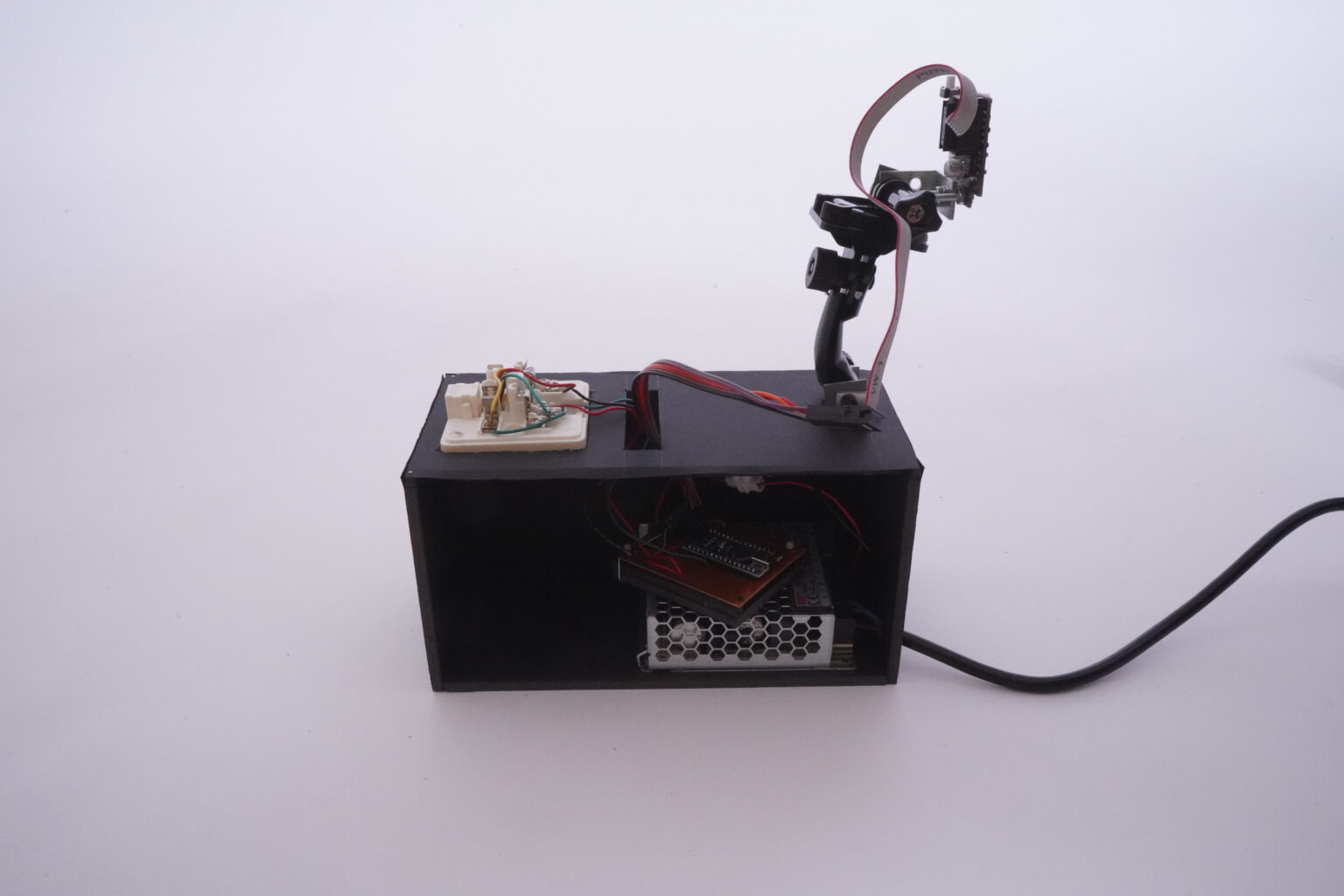
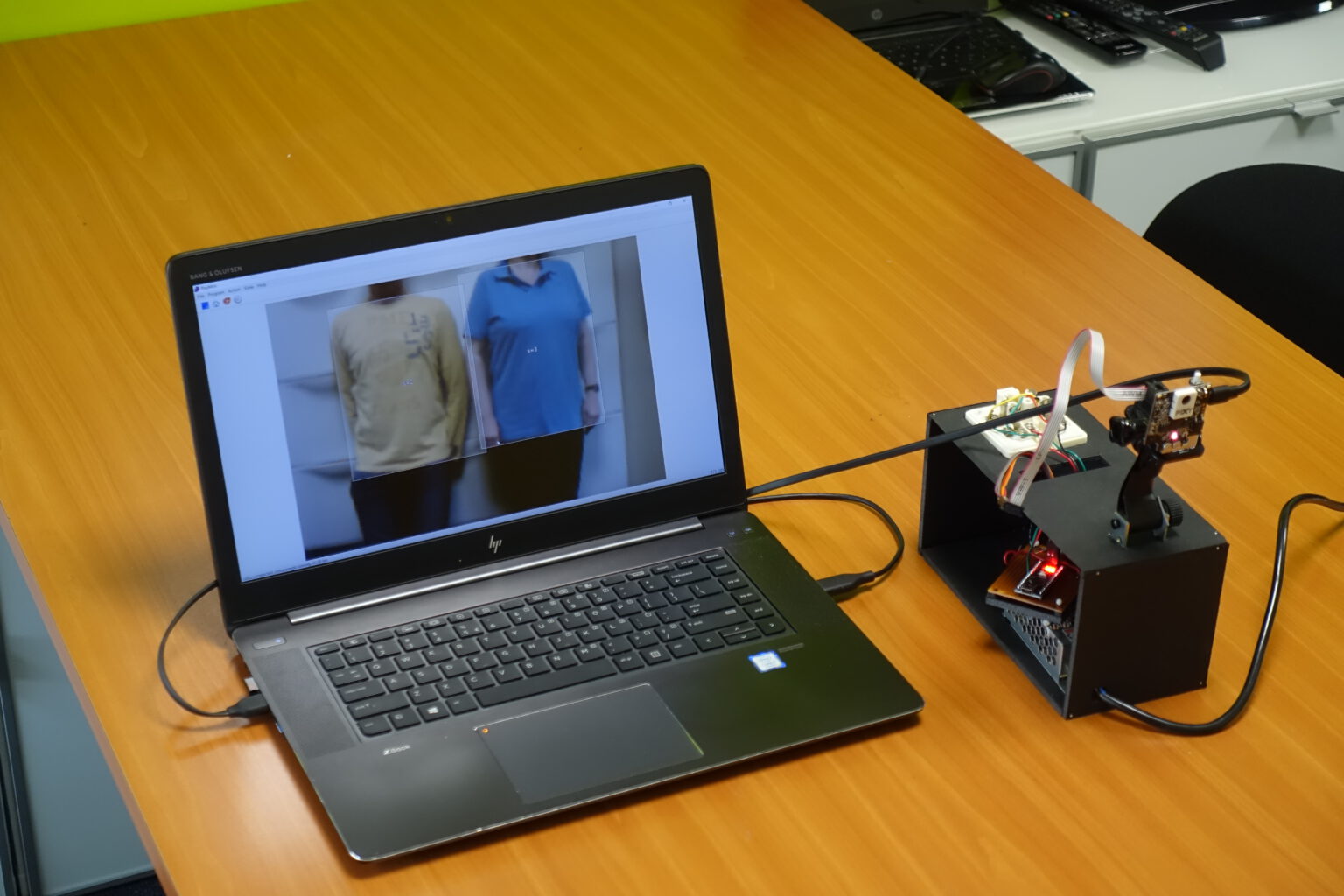
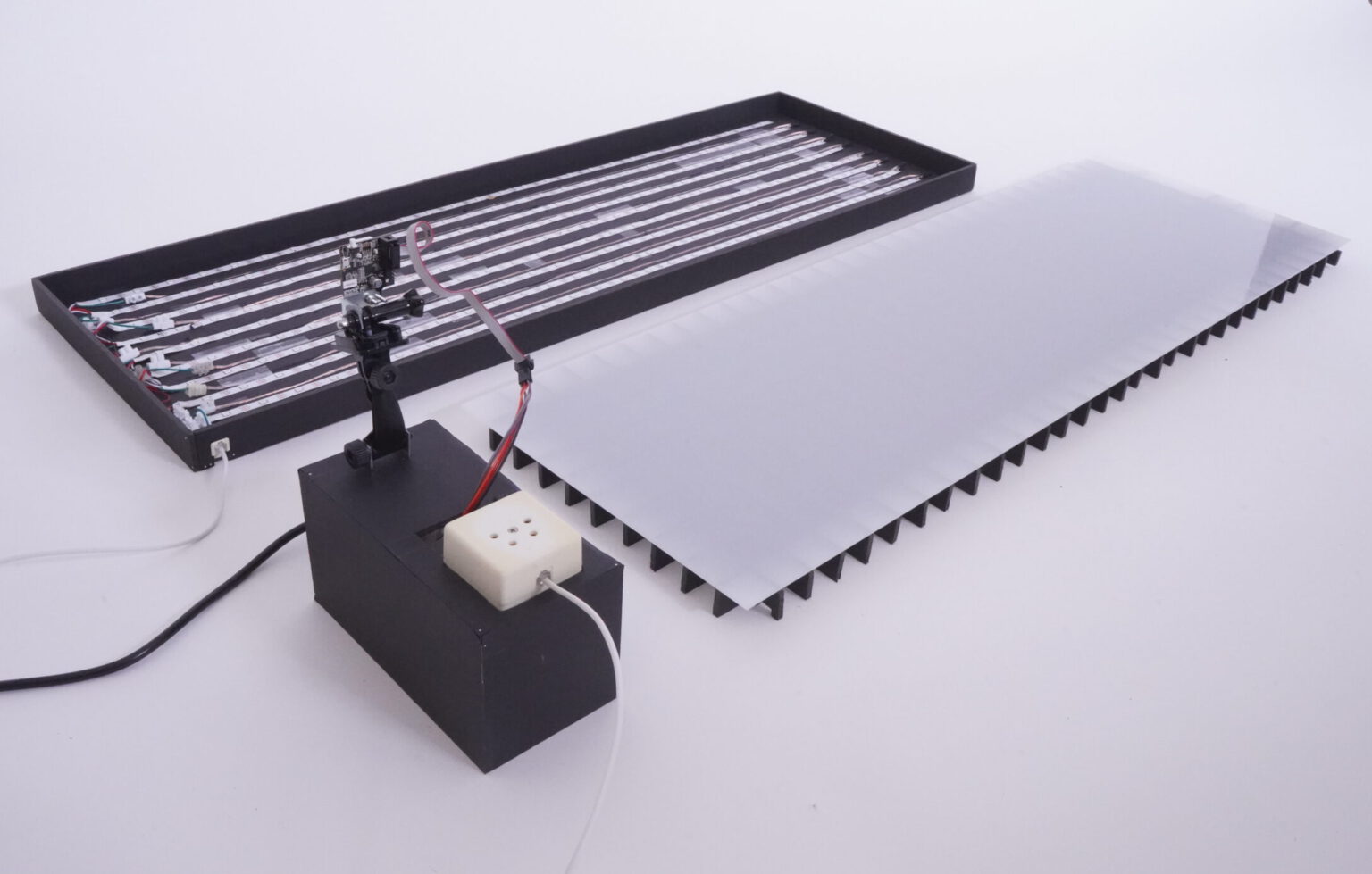
FairQ visualizes waiting time through interactive glowing elements embedded in the bar counter. As each customer enters a defined interaction zone in front of the bar, an overhead camera detects their arrival order. A corresponding element then appears in the embedded visualization, gradually growing in size and shifting from cool to warm hues as waiting time increases. These cues intuitively signal each customer’s place in the queue.
The system accounts for customers that move within the zone or temporarily look away, maintaining a fair order. If someone leaves the area entirely, their visual indicator is removed. All sensing is limited to this designated area and all data is processed locally and automatically deleted after the customer walks away.
You queue at a festival bar

Another customer arrives

The situation becomes unclear and uneasy

When the bartender returns to his post, everyone knows who’s up next

Design driven by deep contextual understanding
FairQ was designed specifically for the dynamic and fast-paced setting of a festival bar, facing challenges that differ from those in other bar contexts, such as cafés or pubs. Insights from field observations and in-depth interviews with both bartenders and festival-goers were combined with academic literature on the psychology of waiting, particularly around perceived fairness and social dynamics. Together, these insights shaped the system’s behaviour, ensuring the design fits not only the physical, but also the emotional context.
Designing and testing for two user groups
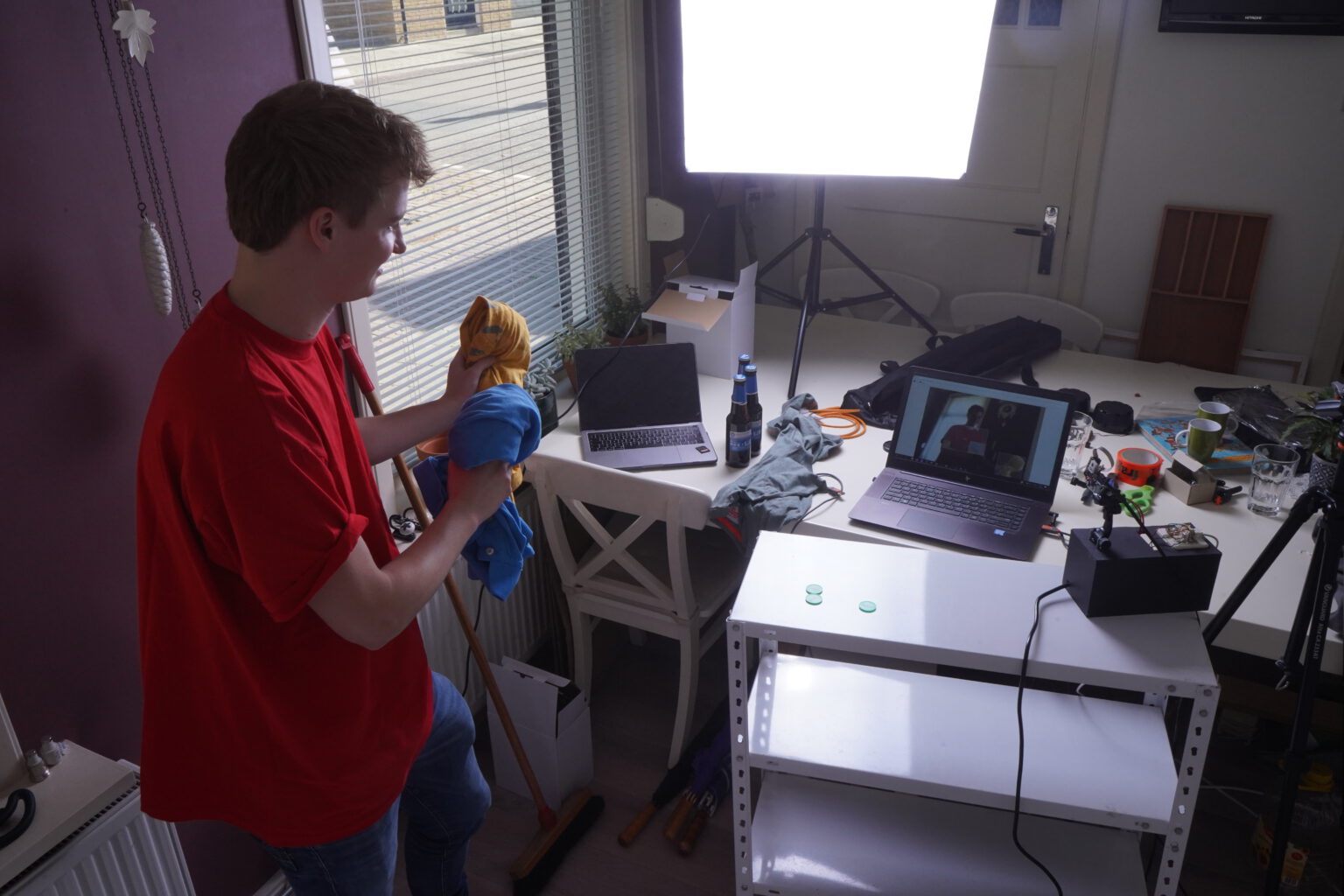
Unlike most consumer products, FairQ was created for two equally important but distinct user groups: bartenders and customers. Both interact with it, but neither owns nor operates it directly. The system was designed to function quietly in the background, subtly guiding interactions without demanding too much attention. This dynamic called for extensive user testing, including role-playing sessions, interviews and scenario-based walkthroughs with both bartenders and guests.
Presented across audiences and formats
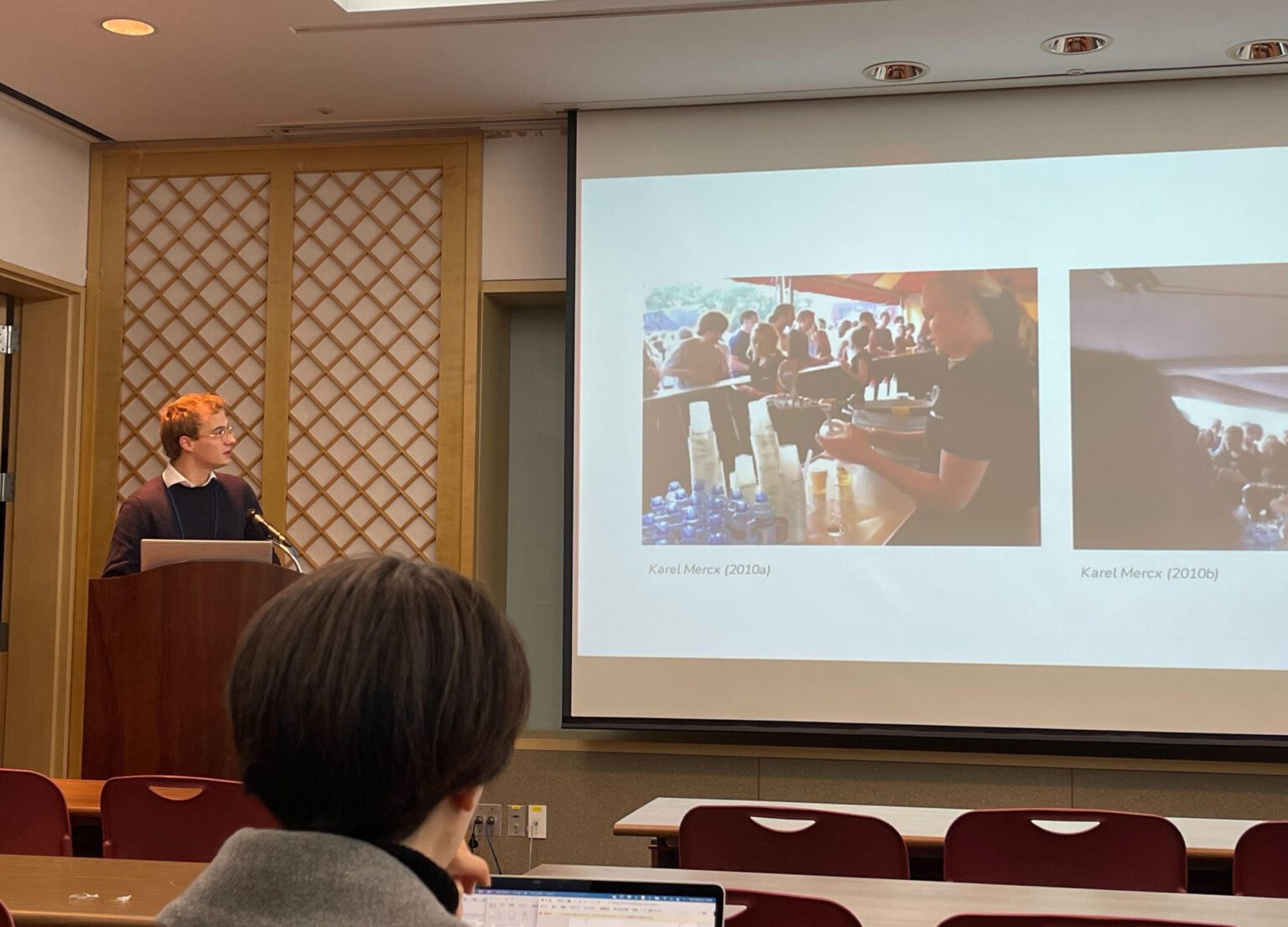
After development, FairQ was presented to a range of audiences. It was first shown to a general audience at the Dutch Design Week, and later discussed from a more theoretical perspective at the ICES conference in South Korea. Each of these settings demanded different presentation formats, tailored to the perspectives and expectations of each audience, including prototype demonstrations, video scenarios and posters.